

Helping Children Transition to Middle School
Preparing your child for the transition from elementary school to middle school can feel overwhelming for both parents and children. New routines, unfamiliar environments, and increased academic and social expectations can naturally lead to nervousness and anxiety. For families in Vaughan and York Region, planning ahead can make the first weeks of middle school feel more manageable.
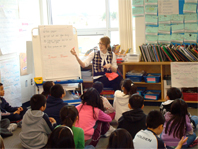
As a psychologist, I frequently work with children and families navigating school-related anxiety. Many children—particularly those who experience anxiety—struggle with adjusting to new routines, expectations, and social dynamics. Preparing in advance can help reduce uncertainty and make the transition to middle school feel more manageable.
Thoughtful preparation allows children to build confidence, develop problem-solving skills, and feel more in control as they enter a new stage of school life. If your child is already struggling, child and youth counselling can help them build coping skills and emotional resilience.
Practical ways to support your child during the transition to middle school
Parenting writer Jennifer Lunder outlines several helpful strategies that can support children as they adjust to middle school. These suggestions can ease anxiety, encourage independence, and strengthen organization skills.
- Help them locate their locker
If possible, visit the school ahead of time so your child can find their locker and practice opening and closing it. Familiarity with the physical environment can significantly reduce first-day anxiety. - Support organization skills
Organized students tend to perform better academically. Parents can help by checking binders, notebooks, and homework routines, especially during the early months of middle school. - Map out their daily schedule
Many students feel overwhelmed by navigating multiple classrooms. Walking the school together, drawing a simple map, or attaching their schedule to an agenda can help reduce stress during transitions. - Encourage consistent use of an agenda
Writing down assignments helps children stay on track and develop responsibility. Parents may find it helpful to periodically review the agenda or compare it with online homework postings. - Check in regularly
Children may feel pressure to handle challenges independently. Creating regular check-in moments gives them permission to share concerns before stress escalates. Staying connected with teachers and school staff can also provide helpful insight. - Support social adjustments
Middle school is a time of identity exploration and shifting friendships. While parents may take a less active role socially, listening without judgment and encouraging open communication remains essential. - Be mindful of your role as a mirror
Tweens are often highly sensitive to how they are perceived by peers. Parental behavior—especially in social settings—can influence a child’s self-image and confidence.
Signs your child may be struggling with school-related anxiety
It is normal for children to feel nervous about starting middle school. However, it may be time to seek additional support if you notice:
- Frequent stomach aches or headaches before school
- Trouble sleeping, nightmares, or increased reassurance-seeking
- School refusal, crying, or panic symptoms in the morning
- Withdrawal from friends or activities they previously enjoyed
- Declining grades, avoidance of homework, or perfectionism-driven distress
If these concerns are present, working with a psychologist can help your child learn practical skills to manage anxiety and feel more confident at school. You can learn more about our psychologist-led anxiety treatment and our individual counselling options.
When anxiety around school becomes a concern
Working with a psychologist through psychotherapy can help children develop coping skills, emotional regulation strategies, and confidence as they navigate school transitions. Early support can prevent anxiety from becoming more entrenched over time.
Supporting your child through this transition is not about eliminating stress entirely—it is about helping them learn that they can handle new challenges with the right tools and support.
Appointments are available in Vaughan and secure online counselling across Ontario.
If you would like more information, please contact us or call 416-999-3437. You can also request an appointment online.
Reference: Lunder, J. (2013). How to Survive Your Tween’s Transition to Middle School. Psychology Today. Sussex Directories, Inc.
Frequently Asked Questions
Is it normal for children to feel anxious about starting middle school?
Yes. New routines, changing peer groups, and increased academic expectations can trigger anxiety. With preparation and support, most children adjust over time.
How can I tell if my child’s anxiety is more than “normal nerves”?
If anxiety interferes with sleep, mood, school attendance, learning, or friendships—or if symptoms persist for weeks—professional support may be helpful.
What can therapy help with during the transition to middle school?
Therapy can help children build coping tools (e.g., managing worry, calming their body, problem-solving social stress), improve emotional regulation, and strengthen confidence.
Do you offer support for parents too?
Yes. Parent guidance is often helpful, especially when anxiety is affecting routines at home. We can help you respond in ways that reduce reassurance cycles and encourage confidence.
Is counselling available in Vaughan and online?
Yes. We offer in-person sessions in Vaughan and secure virtual counselling across Ontario.
About the Author
Robert Roopa, M.Ed., C.Psych. is a registered clinical psychologist providing psychotherapy and psychological assessment in Vaughan, Ontario. He supports children, teens, and families with anxiety, school-related stress, and major life transitions through evidence-based counselling in Vaughan and secure virtual psychotherapy across Ontario. Learn more about our psychology practice.

