

Art, Self-Care, and Mental Health in Vaughan, Ontario How Creative Activities Support Emotional Well-Being
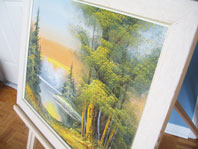
Engaging in creative activities such as painting, drawing, or crafting can be a powerful way to reduce stress, quiet anxious thoughts, and support emotional well-being. As a registered clinical psychologist in Vaughan, Ontario, I often encourage clients to consider creative self-care as a meaningful complement to counselling and psychotherapy.
Creative expression allows the mind to step away from rumination and negative thinking while promoting focus, relaxation, and a sense of accomplishment. For many people, art-based activities offer an accessible and sustainable way to support mental health outside of therapy sessions.
The mental health benefits of creative activities
Research supports the psychological benefits of creative engagement. In Painting a Pathway to Wellness, Caddy, Crawford, and Page (2012) describe how creative activity promotes a deep state of focus, alters perception of time, and provides relief from worry, stress, and repetitive negative thinking.
“The ‘doing’ of creative activity generates a complex interaction of mind and body processes, which can stimulate the growth of new neural networks in the cerebral cortex. Both sides of the brain become involved during engagement in creative activity, the mind being activated and energized by the use of our hands.”
Art-based activities can provide a non-verbal and emotionally safe way to process difficult feelings. This can be especially helpful for individuals experiencing anxiety, stress, low mood, burnout, or emotional overwhelm.
Commonly reported psychological benefits include:
- Increased sense of satisfaction and accomplishment
- Improved confidence and self-esteem
- Greater emotional expression and empowerment
- Improved engagement and activity levels
- Reduced stress and emotional tension
Using art as a form of self-care
Creative self-care does not require artistic talent or formal training. The goal is not performance or productivity, but engagement. Activities such as painting, sketching, or crafting allow individuals to step away from daily pressures and reconnect with themselves in a grounded, mindful way.
Examples of creative self-care activities:
- Painting with acrylic, watercolour, or oil-based materials
- Drawing or sketching freely without judgment
- Pottery or hands-on crafts
- Using instructional art books or guided tutorials
If visual art is not appealing, other forms of self-care may serve a similar purpose, such as journalling, reading, taking a bath, listening to music, or engaging in gentle physical activity. The key is identifying activities that help you disengage from stress and reconnect with a sense of calm—even briefly.
How creative self-care supports counselling and therapy goals
Self-care plays an important role in counselling and psychotherapy. While therapy focuses on insight, coping strategies, and emotional processing, self-care helps maintain balance between sessions and supports long-term progress.
Without intentional self-care, stress and emotional fatigue can make therapeutic work more difficult. Creative activities can help individuals stay emotionally regulated, support self-esteem, and build resilience during challenging periods. These strategies are often discussed alongside anxiety treatment, stress management, and mood regulation approaches.
Creative self-care and counselling in Vaughan and York Region
At Counselling Services for York Region, part of our work involves helping individuals identify practical and sustainable ways to support their mental health outside of therapy sessions. Creative self-care strategies can be a helpful complement to individual counselling, group therapy, and couples counselling.
We support individuals across Vaughan and York Region, offering in-person services in Vaughan and secure virtual psychotherapy across Ontario.
Frequently Asked Questions
Do I need to be artistic for creative self-care to help?
No. Creative self-care is about the process, not the outcome. There is no requirement for skill, talent, or artistic ability.
Can art help with anxiety or depression?
Creative activities can help reduce stress, improve mood, and support emotional expression. For persistent anxiety or depression, psychotherapy is often recommended in addition to self-care strategies.
How often should I engage in creative self-care?
Even brief, regular engagement—such as 10–20 minutes a few times per week—can be beneficial. Consistency matters more than duration.
Is creative self-care a replacement for therapy?
No. Creative self-care complements therapy but does not replace professional support when symptoms are persistent or significantly affecting daily functioning.
References
Caddy, E., Crawford, F., & Page, A. C. (2012). Painting a path to wellness: Correlations between participating in a creative activity group and improved measured mental health outcome. Journal of Psychiatric and Mental Health Nursing, 19, 327–333.

